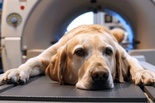
The goal of this study is to investigate two physical therapy protocols to establish if it could leadto improve neurologic function in dogs with wobbler syndrome and a better quality of life. Dogs with signs of wobbler syndrome will schedule an initial appointment with the neurology service to assess their overall health and clinical signs. If indicated, they will have general anesthesia and an MRI of the neck performed to confirm a diagnosis of wobbler syndrome. After the diagnosis is confirmed, they will be assigned to one of two groups: A. He/she will have to come in for physical rehabilitation exercises at OSU for 5-6 months (twice a week in the first month, once a week for 2 months and every other week for the next month 2 months) and have exercises that you will do at home 5-6 times per week for 6 months OR B. He/she will have physical rehabilitation exercises you will have to do at home 5-6 times per week for 6 months. Some of the exercises include just walking your dog. We will provide you with the specific list of exercises and videos demonstrating the exercises. At follow-up appointments (30, 90, and 180 days after entering the study), he/she will have a neurologic exam, walk over a gait analysis plate, and have a sensor measure limb rigidity. You will also be asked to assess the quality of life of your dog at the end of the study period (6 months).Client Compensation:For dogs that meet the criteria as a study dog, the full cost of the MRI (if done for the project), anesthesia, and physical rehabilitation (22 sessions) will be taken care of by the study. The cost for the MRI and anesthesia will be refunded after the end of the study period. Owners are responsible for the initial diagnostics, including exam fees, blood work, and radiographs of the cervical spine. Any tests, procedures, or treatments beyond those specifically listed here are the owner's responsibility.